

Benefits, uses and toxicity of Castor Oil
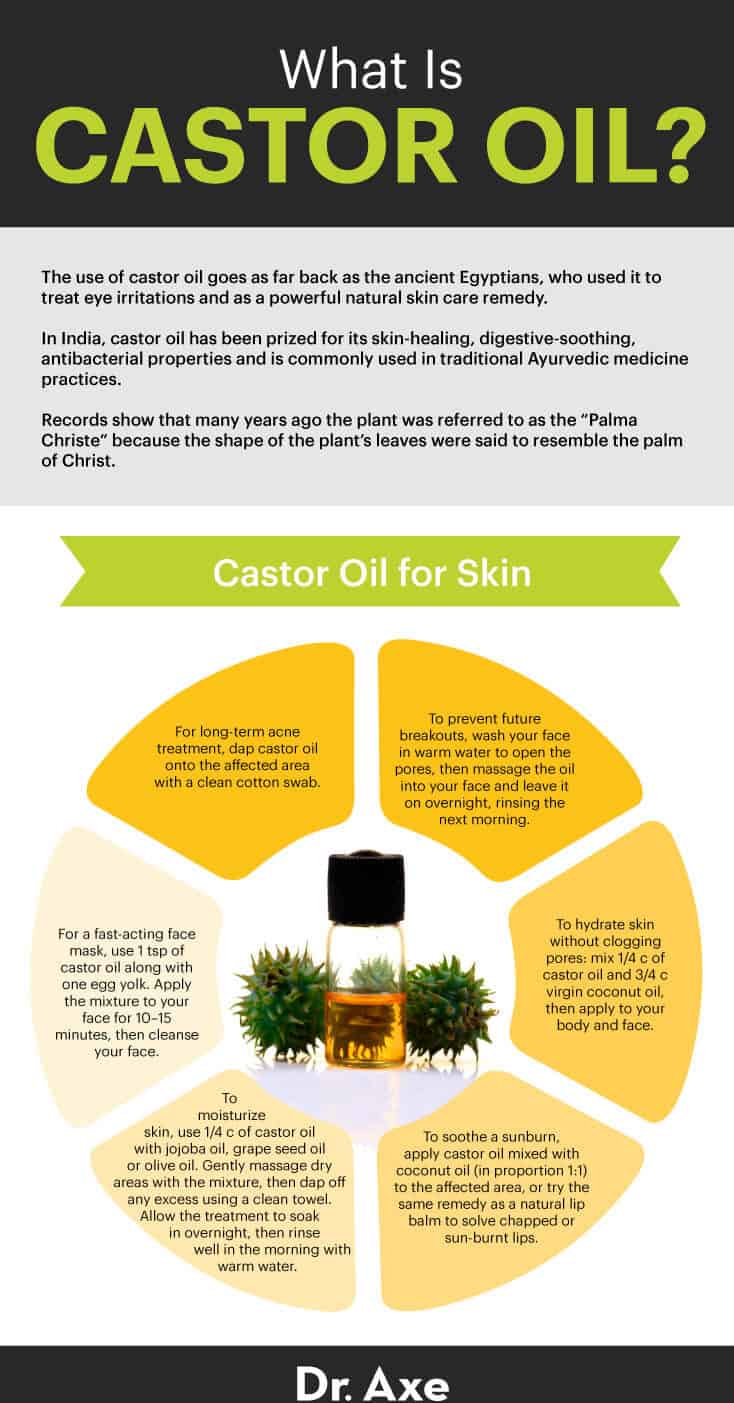
Castor oil, also known as ricinus oil, is a vegetable oil obtained from the seeds of the castor plant. It has been used for centuries for various medicinal, cosmetic, and industrial purposes. The benefits and uses of castor oil are numerous, ranging from promoting hair growth to relieving constipation. However, despite its beneficial properties, castor oil can also be toxic in certain doses. In this article, we will explore the benefits, uses, and potential toxicity of castor oil. Whether you are interested in using castor oil for personal or industrial purposes, this article will provide you with the necessary information to make informed decisions.
Castor oil is a versatile and beneficial substance with several uses in various industries. It is extracted from the seeds of the castor plant, Ricinus communis. The oil is rich in fatty acids, especially ricinoleic acid, which is responsible for its numerous health and beauty benefits.
Tabla de Contenidos
- Benefits of Castor Oil
- Uses of Castor Oil
- Toxicity of Castor Oil
- What are the negative effects of castor oil?
- Laxative Effects
- Skin Irritation
- Allergic Reactions
- Pregnancy Risks
- Conclusion
- Does castor oil toxic?
- What are the benefits and usage of castor oil?
- Benefits of Castor Oil
- Usage of Castor Oil
Benefits of Castor Oil
1. Promotes Hair Growth: The high concentration of ricinoleic acid in castor oil makes it an effective remedy for hair loss and baldness. It stimulates blood circulation to the scalp, nourishes hair follicles, and promotes hair growth.
2. Relieves Constipation: Castor oil is an excellent natural laxative. It works by stimulating the muscles in the intestines, helping to move stools through the colon and promoting bowel movements.
3. Reduces Inflammation: Castor oil has anti-inflammatory properties that make it useful for treating various inflammatory conditions such as arthritis, gout, and muscle pain. It can also be used to reduce swelling and redness in the skin.
4. Improves Skin Health: Castor oil is rich in fatty acids that moisturize and nourish the skin. It can help to reduce the appearance of wrinkles, fine lines, and age spots. Castor oil also has antimicrobial properties that make it useful for treating acne and other skin infections.
Uses of Castor Oil
1. Industrial Uses: Castor oil is used in the production of various industrial products such as lubricants, biofuels, and plastics. It is also used in the manufacturing of cosmetics and pharmaceuticals.
2. Medical Uses: Castor oil is used in the medical field as a laxative, to induce labor in pregnant women, and to treat various skin conditions such as dermatitis and psoriasis.
3. Beauty Uses: Castor oil is a popular ingredient in many beauty products such as shampoos, conditioners, and moisturizers. It is also used as a natural remedy for promoting hair growth and improving skin health.
Toxicity of Castor Oil
1. Internal Use: Consuming large amounts of castor oil can be toxic and cause severe diarrhea, abdominal cramps, and dehydration. It is important to follow the recommended dosage and consult a healthcare professional before using castor oil internally.
2. Topical Use: Some people may experience an allergic reaction to castor oil when applied topically. It is important to conduct a patch test before using castor oil on the skin and discontinue use if any adverse reactions occur.
In conclusion, castor oil is a versatile and beneficial substance with several health and beauty benefits. It is important to follow the recommended dosage and consult a healthcare professional before using castor oil internally. When used properly, castor oil can be an effective natural remedy for promoting hair growth, improving skin health, and reducing inflammation.
What are the negative effects of castor oil?
Castor oil is a natural remedy that has been used for centuries to treat a variety of ailments, including constipation, skin conditions, and menstrual cramps. However, while it has many potential benefits, it also has some negative effects that people should be aware of before using it.
Laxative Effects
One of the most well-known uses of castor oil is as a laxative. While this can be helpful for people who are constipated, it can also have negative effects. Overuse of castor oil as a laxative can cause diarrhea, dehydration, and electrolyte imbalances. It can also lead to abdominal cramping and discomfort.
Skin Irritation
Castor oil is often used topically to moisturize and soothe the skin. However, some people may experience negative effects from using it this way. It can cause skin irritation, redness, and itching in some individuals. It may also clog pores and lead to acne breakouts in some people.
Allergic Reactions
While rare, some people may experience an allergic reaction to castor oil. Symptoms of an allergic reaction can include hives, difficulty breathing, and swelling of the face, lips, tongue, or throat. If you experience any of these symptoms after using castor oil, seek medical attention immediately.
Pregnancy Risks
While castor oil is sometimes used to induce labor, it is not recommended for use during pregnancy. It can cause contractions that may lead to premature labor or miscarriage. It may also cause dehydration, which can be harmful to both the mother and the baby.
Conclusion
While castor oil has many potential benefits, it is important to be aware of its negative effects as well. Overuse can lead to diarrhea, dehydration, and electrolyte imbalances, while topical use can cause skin irritation and allergic reactions. Pregnant women should avoid using castor oil, as it can lead to premature labor or miscarriage. If you are considering using castor oil for any reason, be sure to talk to your healthcare provider first.
Does castor oil toxic?
Castor oil is a natural oil that comes from the seeds of the castor plant. It has been used for centuries as a natural remedy for a variety of ailments. However, there is some concern about whether or not castor oil is toxic.
Is castor oil toxic to humans?
The short answer is no. Castor oil is not toxic to humans when used in small amounts. In fact, it is commonly used as a laxative to help relieve constipation. However, ingesting large amounts of castor oil can be harmful and may cause nausea, vomiting, and diarrhea.
What about topical use?
When applied topically, castor oil is generally safe for most people. It is often used as a moisturizer for dry skin or as a hair treatment to promote growth and thickness. However, some people may develop an allergic reaction to the oil, so it is always a good idea to do a patch test before using it on a larger area of the skin.
Is castor oil toxic to pets?
Yes, castor oil can be toxic to pets, especially cats and dogs. Ingesting even small amounts of the oil can cause vomiting, diarrhea, and abdominal pain. If you suspect that your pet has ingested castor oil, it is important to seek veterinary care immediately.
Conclusion
Overall, castor oil is not toxic to humans when used in moderation. It can be a helpful natural remedy for constipation and a variety of skin and hair concerns. However, it should be used with caution around pets, as it can be toxic to them.
What are the benefits and usage of castor oil?
Castor oil, extracted from the seeds of the castor plant, has been used for centuries for its numerous health benefits. It has anti-inflammatory, antimicrobial, and moisturizing properties, making it a popular ingredient in many skincare and hair care products.
Benefits of Castor Oil
1. Promotes Hair Growth
Castor oil is rich in ricinoleic acid, which stimulates hair growth by increasing circulation to the scalp. It also contains omega-6 and omega-9 fatty acids, which nourish the hair and prevent breakage. Regular use of castor oil can lead to thicker, fuller, and healthier hair.
2. Treats Scalp Infections
The antimicrobial properties of castor oil make it an effective treatment for scalp infections like dandruff and folliculitis. It can also soothe irritated and inflamed skin, reducing itching and redness.
3. Moisturizes Skin
Castor oil is a natural emollient, which means it helps to lock in moisture and keep your skin hydrated. It is also rich in fatty acids, which can penetrate deep into the skin and nourish it from within. Regular application of castor oil can improve skin texture and prevent dryness.
4. Relieves Joint Pain
Castor oil has anti-inflammatory properties, making it an effective remedy for joint pain and arthritis. Massaging castor oil onto the affected area can reduce inflammation and swelling, providing relief from pain and stiffness.
Usage of Castor Oil
1. Hair Care
Castor oil can be used as a hair mask, scalp treatment, or hair serum. For a hair mask, mix castor oil with coconut oil and apply it to your hair from root to tip. Leave it on for at least 30 minutes before washing it off with shampoo. For a scalp treatment, massage castor oil onto your scalp and leave it on for a few hours before washing it off. For a hair serum, apply a few drops of castor oil to the ends of your hair to prevent split ends.
2. Skin Care
Castor oil can be used as a facial oil, body lotion, or lip balm. For a facial oil, apply a few drops of castor oil to your face before going to bed. For a body lotion, mix castor oil with shea butter and apply it to your skin after showering. For a lip balm, mix castor oil with beeswax and apply it to your lips throughout the day.
3. Joint Pain Relief
To relieve joint pain, warm up some castor oil and massage it onto the affected area. Cover it with a warm towel and leave it on for at least 30 minutes. Repeat this process twice a day for best results.
Overall, castor oil is a versatile and affordable remedy for various health and beauty concerns. Its many benefits and uses make it a must-have in any natural health and beauty routine.
En conclusión, el aceite de ricino es un producto natural con múltiples beneficios y usos en el campo de la medicina y la cosmética. Sin embargo, es importante tener en cuenta que su consumo en grandes cantidades puede ser tóxico y causar efectos secundarios graves. Es recomendable utilizarlo con precaución y siempre bajo la supervisión de un profesional de la salud. En resumen, el aceite de ricino es una herramienta útil y versátil en el cuidado de la salud y la belleza, siempre y cuando se utilice de manera responsable.

Las mejores playlists de Spotify en 2026 para ambientar tu hogar
Todas las Plantas abortivas prohibidas durante el embarazo

Alimentos ricos en ácido fólico para estar bien sano

Rosa mosqueta y su aceite de propiedades cicatrizantes

Técnicas naturales en dermatología

Rododendro Cuidados y poda, en maceta y jardín
Encuentra los Anaqueles que no te puedes perder